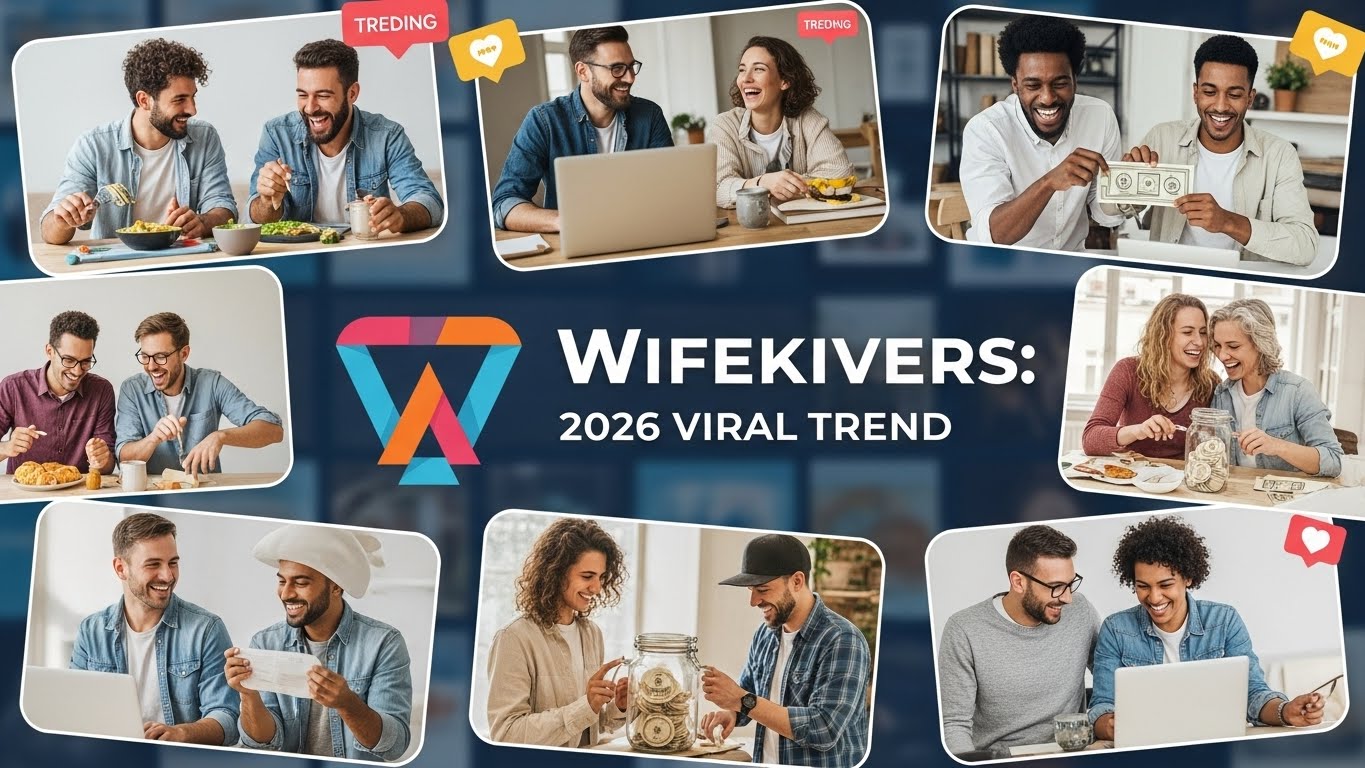
In the ever-evolving landscape of social media, new terms and trends emerge at lightning speed. One phrase that has taken 2026 by storm is Wifekivers. This catchy term has sparked conversations, debates, and a flurry of memes across platforms like Instagram, Twitter, and TikTok. But what exactly does it mean? As users scroll through their feeds filled with posts about this concept, they might wonder how it started and why it’s resonating so deeply in our culture today. Get ready to dive into the fascinating world of this phenomenon—where marriage meets modernity—and discover its significance in reshaping relationships for a generation navigating love in the digital age.
The Origin of Wifekivers: How It All Started
The term Wifekivers burst onto the social media scene in early 2026, capturing attention with its playful yet profound connotation. Picture a cold January morning when a single TikTok video changed everything—a partner surprising their spouse with breakfast in bed, not because it was a special occasion, but simply because love showed up in small moments.
It originated from a viral TikTok trend where individuals shared stories of their partners going above and beyond in acts of love and support. The catchy name quickly resonated, as users began to recognize the significance behind these gestures that often went unnoticed in traditional relationship narratives.
As hashtags like #Wifekiver gained traction, it became more than just a trend. It evolved into a cultural movement that celebrated those who exemplified unconditional love within relationships. Within weeks, millions were sharing their own stories—from partners who memorized coffee orders to those who listened without offering unsolicited advice.
Influencers played a pivotal role in this phenomenon by showcasing personal experiences and encouraging others to embrace their inner approach to partnership. Their relatable content sparked conversations about partnership dynamics and emotional labor that had long been overdue.
What started as lighthearted humor has transformed into an important dialogue surrounding commitment, appreciation, and modern marriage expectations.
Understanding the Meaning and Significance of Wifekivers
Wifekivers represent a shift in how we view partnerships today. At its core, the term embodies individuals—often wives or partners—who actively prioritize their spouse’s happiness and growth without losing themselves in the process.
This concept goes beyond traditional roles that once confined people to rigid expectations. These individuals engage in mutual support, fostering an environment where both parties thrive emotionally and practically. It’s about shared ambitions and dreams rather than simply adhering to societal expectations handed down through generations.
Core Characteristics:
- Active partnership: Both individuals invest equally in each other’s success
- Emotional intelligence: Understanding and responding to partner’s needs authentically
- Collaborative growth: Building dreams together rather than separately
- Breaking stereotypes: Moving beyond outdated gender norms
In 2026, this mindset has emerged as a powerful statement against conventional marriage norms. Those who identify with this approach are not just caretakers; they embrace collaboration and equality within relationships.
The significance lies in the ability to redefine commitment entirely. They encourage open dialogue, vulnerability, and respect for each other’s aspirations—a refreshing departure from outdated stereotypes that often confine couples to roles that no longer serve modern life.
The Popularity of Wifekivers on Social Media Platforms
Wifekivers have taken social media by storm in 2026, creating a digital movement that shows no signs of slowing. Platforms like TikTok, Instagram, and Twitter are buzzing with posts celebrating this new trend that feels both revolutionary and deeply personal.
Videos showcasing this lifestyle often go viral within hours. Couples share their journeys of redefining traditional marriage roles through authentic glimpses into daily life. They highlight companionship, support, and a focus on emotional well-being that resonates with millions seeking genuine connection.
Hashtags related to the concept flood feeds daily, creating digital communities of support. Content creators use them to connect with others who embrace this philosophy, sharing everything from humorous daily interactions to profound moments of partnership.
| Platform | Engagement Type | Impact |
|---|---|---|
| TikTok | Viral videos, storytelling | 50M+ views on top posts |
| Photo series, reels | Communities of 10K+ members | |
| Debates, thread discussions | Trending topic weekly |
This sense of community is palpable as people engage in discussions about relationships that prioritize mutual growth over traditional power dynamics. Influencers play a significant role too. Their content goes beyond mere entertainment; it encourages deeper conversations around partnership dynamics that many had never voiced before.
The movement embraces authenticity over perfection, making it relatable for users across various demographics. It’s no wonder that this term has captured hearts online so swiftly.
How Wifekivers is Redefining Marriage and Relationships in 2026
Wifekivers are reshaping the concept of marriage and relationships in 2026 in ways previous generations might find surprising. This trend emphasizes a partnership model where both individuals play active roles in nurturing their bond beyond traditional expectations.
Men, often embracing this philosophy, take on responsibilities such as cooking, cleaning, and childcare—not as “helping out” but as equal participants. This shift highlights genuine equality within relationships, challenging gender norms that have persisted for generations and often created resentment.
Social media buzz amplifies this movement daily, celebrating those who share personal stories and experiences. Couples showcase how they balance duties while maintaining romance and intimacy—proving that partnership and passion aren’t mutually exclusive.
The idea promotes open communication about expectations within partnerships that many couples previously avoided. Discussions around emotional labor become central to these relationships, encouraging honesty and vulnerability among partners who once might have suffered in silence.
Key Shifts in Modern Partnerships:
- Division of household labor based on availability, not gender
- Emotional support viewed as equally important as financial contribution
- Career sacrifices made by whoever has the better opportunity, not default assumptions
- Parenting decisions reached through collaboration, not tradition
As more people embrace this approach, society begins to view traditional marital structures differently. The role dynamics evolve, allowing couples to create unique arrangements that fit their lifestyles and values seamlessly.
Controversies Surrounding the Term Wifekivers
The rise of the term hasn’t been without its share of controversies that spark heated debates across social platforms. Critics argue that it trivializes traditional marriage values that have stood for centuries. They fear that such labels can dilute the seriousness of commitment or suggest relationships need constant performance.
On social media, debates rage over what this truly means in practice. Some view it as empowering—a celebration of partners who choose to prioritize each other. Others see it as a step backward for gender roles, questioning whether it places unfair expectations on one partner to be everything for another.
Additionally, some people believe that this trend promotes unrealistic expectations in partnerships. It raises questions about whether these dynamics are sustainable or merely fleeting internet fads that will disappear as quickly as they emerged.
Religious communities have expressed concern that the concept undermines sacred marriage covenants. Meanwhile, feminist voices debate whether it empowers women or simply repackages old expectations with trendy language.
As discussions unfold online, it’s clear that this has sparked more than just a viral moment; it’s ignited conversations about modern love and connection in today’s society.
FAQS
What does “wifekiver” mean?
A wifekiver refers to someone who actively participates in their partner’s life and goals, often prioritizing support and collaboration in relationship dynamics. The term embodies individuals who foster mutual growth, emotional well-being, and equality within partnerships beyond traditional marriage roles.
Where did the term originate?
The term emerged from social media discussions in early 2026, resonating with younger generations seeking deeper connections beyond traditional marriage roles. It started as a viral TikTok trend where people shared stories of partners going above and beyond in acts of love and support.
How has this concept impacted relationships?
It encourages couples to adopt more flexible roles within their partnerships, promoting teamwork and emotional well-being over outdated societal norms. Couples report feeling more connected and appreciated when both partners actively invest in each other’s happiness and success equally.
Is there any backlash against this trend?
Yes, some critics argue it undermines classic definitions of marriage or suggests that individuals must sacrifice too much for their partners. However, supporters see it as a positive evolution of relationships that celebrates genuine partnership and breaks free from restrictive gender norms.
Will the trend continue to grow?
As society evolves and conversations around relationships become more inclusive and diverse, it’s likely that concepts like this will remain relevant on social media platforms. The movement reflects shifting attitudes towards love and partnership—a conversation worth having as we navigate modern relationships together.