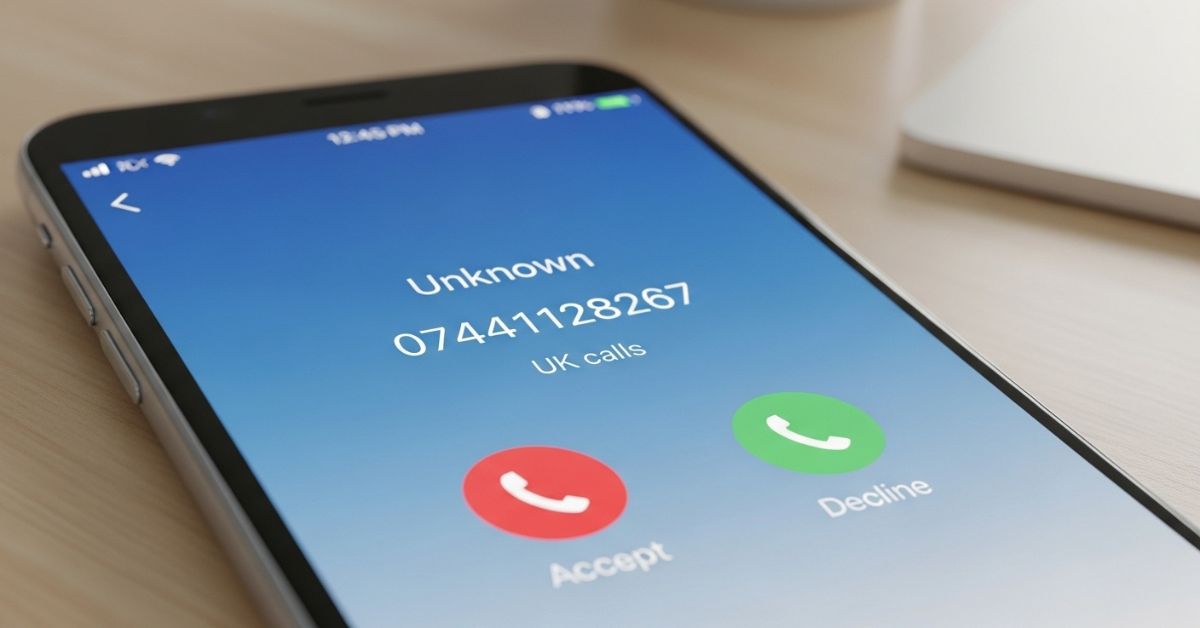
Have you ever received a call from an unknown number and wondered who was on the other end? Unknown UK calls can be frustrating, puzzling, and sometimes even alarming. One such number that has been making waves recently is 07441128267. Whether it’s a missed call or an unexpected ring during dinner, many people are left questioning the legitimacy of these mysterious numbers.
In this digital age where privacy feels increasingly elusive, identifying unknown callers has become more important than ever. So let’s dive into what makes 07441128267 tick and explore how to navigate the murky waters of unsolicited calls in the UK. Your peace of mind could be just a read away!
What is 07441128267?
The number 07441128267 is a UK mobile phone number that has been reported frequently in discussions about unknown calls. While it appears to be associated with legitimate services, many individuals have expressed concerns regarding unsolicited contact from this specific number.
Scammers often exploit similar formats to mask their true identity. This can lead to confusion among recipients who may not recognize the caller or have any prior association with them.
When faced with an unknown call like 07441128267, it’s crucial to exercise caution. A simple search online might reveal insights shared by others who received similar calls. Engaging directly without verification could expose you to unwanted solicitations or scams.
Understanding the nature of such numbers empowers you to make informed decisions on whether or not to engage further. Always prioritize your safety and security when dealing with unfamiliar contacts.
The History of Telephone Numbers in the UK
The history of telephone numbers in the UK dates back to the late 19th century. The first telephone exchanges opened in London in 1879, requiring a systematic way to connect callers.
Initially, phone users identified each other by location and line number. As demand grew, this method became cumbersome. By the early 1900s, more structured numbering systems emerged to improve efficiency.
In 1958, the UK introduced an area code system with prefixes that helped distinguish regions. This change allowed for easier dialing and better management of growing subscriber numbers.
The introduction of mobile phones in the 1980s transformed communication once again. New codes were created specifically for mobile networks like Vodafone and O2.
Today’s numbering plan is complex yet efficient, accommodating millions of subscribers across various services—landlines, mobiles, and even VoIP technologies have their unique identifiers within this framework.
How to Identify and Block Unknown UK Calls
Identifying unknown calls can be tricky. Start by checking your caller ID. If the number is unfamiliar, that’s a red flag.
You can also utilize apps designed to identify and block spam or unwanted calls. These tools often have databases of known scammers, making it easier to filter out suspicious numbers.
If you answer an unknown call and feel uncomfortable, hang up immediately. Trust your instincts; if it feels off, it’s best to avoid engaging further.
Most smartphones have built-in features for blocking numbers. Take advantage of these options—simply go into your settings and add the number to your block list.
Regularly reviewing missed calls can help you spot patterns as well. Note any repeat offenders and take action accordingly. Awareness is key in managing unwanted communications effectively.
Common Scams Associated with Unknown UK Calls
Unknown UK calls often come with a dark side—scams that prey on unsuspecting individuals. Many of these scams revolve around fraudulent offers, where callers promise prizes or discounts but require personal information upfront.
Another prevalent tactic is impersonation. Scammers may pose as representatives from banks or government agencies, claiming urgent issues need resolution. This creates a sense of panic, pushing victims to act quickly without thinking.
Tech support scams are also common. A caller might claim your computer has a virus and offer assistance for a fee. These scammers play on fears about technology failures.
It’s essential to stay vigilant when answering unknown numbers. If something feels off, trust your instincts and hang up immediately to protect yourself from potential fraudsters lurking in the shadows of phone lines.
What to Do if You Receive a Call from 07441128267
Receiving a call from 07441128267 can be unsettling. First, don’t rush to answer or return the call without knowing who it is.
If you do pick up, listen carefully and assess the situation. Legitimate callers will identify themselves promptly. If they ask for personal information or money, hang up immediately.
You might want to search online for reports about this number. Many websites collect experiences from others who have received similar calls.
Consider blocking the number on your phone if it seems suspicious. Most smartphones allow you to mute unknown numbers as well.
Additionally, report the call to your mobile provider or a consumer protection agency. They can provide helpful guidance and take appropriate action against potential scams.
Staying informed and cautious is key in handling unknown calls like those from 07441128267.
Conclusion: Staying Safe from Unknown UK Calls
Unknown calls can be frustrating and concerning. Staying informed about numbers like 07441128267 is essential for protecting your privacy. Always be cautious when answering unfamiliar numbers, as they could be scams or unwanted sales pitches.
Blocking these types of calls can save you from unnecessary stress. Utilize call-blocking features on your phone or consider using third-party apps designed to filter spam calls effectively.
If you’ve received a call from 07441128267, it’s wise to research the number and share any experiences with others. Keeping an open line of communication within your community can help everyone stay alert against potential threats.
Being proactive about unknown UK calls not only secures your personal information but also contributes to a safer environment for all users. Understanding how to identify and manage these interactions will empower you in today’s digital age—where knowledge truly is power.